

eye care tips for everyone
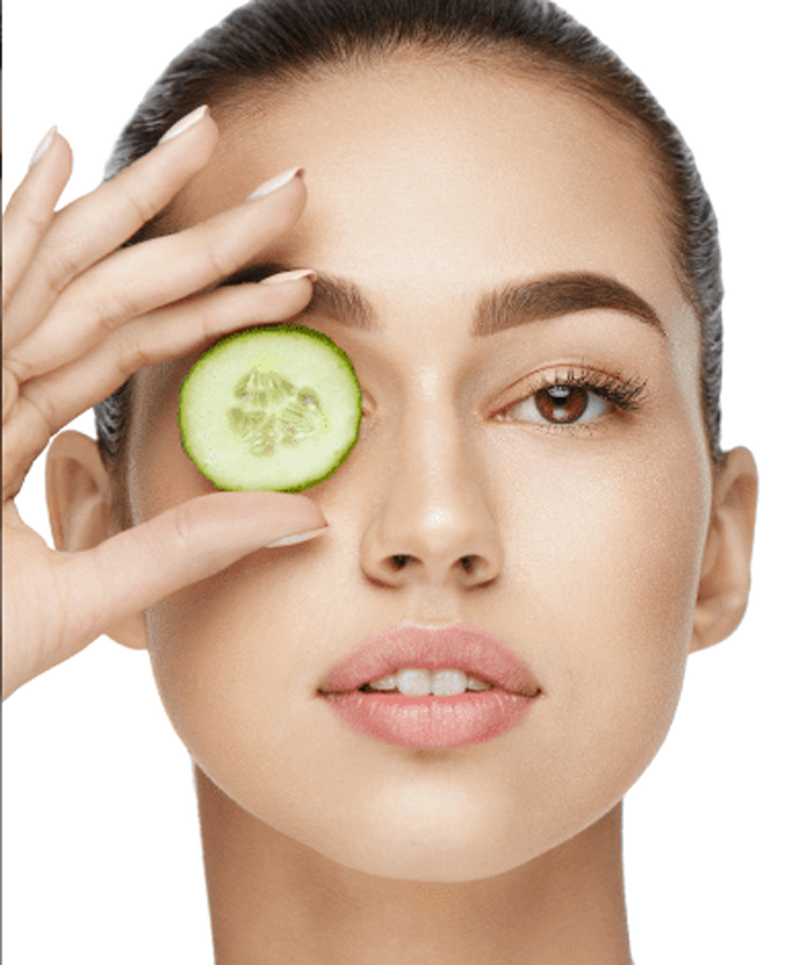
Eye Care Tips for Everyone: How to Keep Your Vision Healthy for Life
Our eyes are one of the most important sensory organs, yet they are often the most neglected. With increasing screen time, pollution, stress, and aging, maintaining good eye health has become more important than ever. The good news? Most eye problems can be prevented or detected early with simple, consistent habits. In this blog, we cover practical, everyday eye care tips that everyone—adults, children, and seniors—should follow to protect their vision and keep their eyes healthy for life.
1. Follow the 20-20-20 Rule to Reduce Digital Eye Strain
With long hours spent on mobile phones, laptops, and televisions, digital eye strain has become extremely common. The 20-20-20 rule is a simple practice that helps:
- Every 20 minutes
- Look at something 20 feet away
- For 20 seconds
This relaxes the eye muscles, reduces fatigue, and prevents headaches, dryness, and blurred vision.
2. Blink Often to Prevent Dry Eyes
When we stare at screens, our blink rate drops significantly—from 15–20 blinks per minute to just 5–7. This leads to:
- Dryness
- Irritation
- Redness
- Burning sensation
Make a conscious effort to blink more often, especially during long screen sessions.
3. Maintain a Healthy Diet for Strong Eyes
A nutritious diet plays a major role in protecting vision. Include:
Foods Rich in Vitamin A
- Carrots
- Spinach
- Sweet potatoes
- Pumpkin
Omega-3 Fatty Acids
- Fish (salmon, mackerel)
- Walnuts
- Flax seeds
Antioxidants (Lutein & Zeaxanthin)
- Green leafy vegetables
- Eggs
- Broccoli
Vitamin C & E
- Citrus fruits
- Almonds
- Sunflower seeds
Good nutrition lowers the risk of cataracts, macular degeneration, and dry eyes.
4. Protect Your Eyes from UV Rays
Just like your skin, your eyes also need protection from harmful ultraviolet (UV) rays. Prolonged UV exposure can lead to:
- Cataracts
- Macular degeneration
- Photokeratitis
- Pterygium
Always wear UV-protected sunglasses when outdoors—even on cloudy days.
5. Drink Enough Water to Keep Eyes Hydrated
Dehydration can affect tear production and cause dry, uncomfortable eyes. Aim for 7–8 glasses of water a day to maintain adequate hydration and support healthy tear function.
6. Get Adequate Sleep for Eye Recovery
Your eyes work all day, and they need rest to recover. Lack of sleep can cause:
- Eye twitching
- Redness
- Puffiness
- Blurred vision
Try to get 7–8 hours of uninterrupted sleep every night to keep your eyes refreshed.
7. Avoid Rubbing Your Eyes
Rubbing your eyes may feel relieving, but it can damage delicate eye tissues and introduce germs, leading to:
- Infection
- Allergies
- Corneal abrasions
If your eyes feel itchy or irritated, use lubricating drops or splash clean water instead.
8. Use Proper Lighting When Reading or Working
Poor lighting strains your eyes. Always make sure to:
- Avoid reading in dim light
- Avoid harsh, direct lighting
- Use soft, indirect lighting for comfort
Proper lighting reduces fatigue and supports clearer vision.
9. Keep Your Contact Lenses Clean and Hygienic
If you wear contact lenses, follow these essential steps:
- Wash hands before handling lenses
- Clean lenses with recommended solutions
- Never sleep with lenses on
- Replace lenses as per schedule
- Avoid using expired solutions
Poor hygiene can cause serious infections such as keratitis.
10. Take Regular Eye Exams—Even If You Have No Symptoms
Many eye conditions (like glaucoma, diabetic retinopathy, or early cataracts) show no symptoms in the beginning. Regular eye checkups help detect issues early.
Recommended Frequency:
- Every 1–2 years for adults
- Every year for people above 40
- Every 6 months for diabetics or those with a family history of eye diseases
Early diagnosis ensures timely treatment and prevents permanent vision loss.
11. Manage Systemic Conditions That Affect the Eyes
Your general health affects your eye health. Conditions like diabetes, hypertension, and thyroid disorders can damage vision if not controlled.
- Monitor blood sugar
- Maintain healthy blood pressure
- Follow prescribed medications
- Attend regular health check-ups
12. Use Eye Cosmetics Safely
For those who use eye makeup:
- Replace mascara every 3 months
- Avoid sharing cosmetics
- Remove makeup completely before sleeping
- Keep brushes clean
Dirty or old makeup can cause infections and allergic reactions.
Conclusion: Small Daily Habits Can Protect Your Vision for Life
Eye care is not complicated—all it takes is daily mindfulness and simple habits. Following these tips can help reduce eye strain, prevent dryness, and protect your vision from long-term problems. Regular checkups, a healthy lifestyle, and awareness are the keys to maintaining clear, comfortable, and strong vision throughout life.
Your eyes work for you every second—take a moment every day to take care of them.
0 Comments
No comments yet. Be the first to comment!