
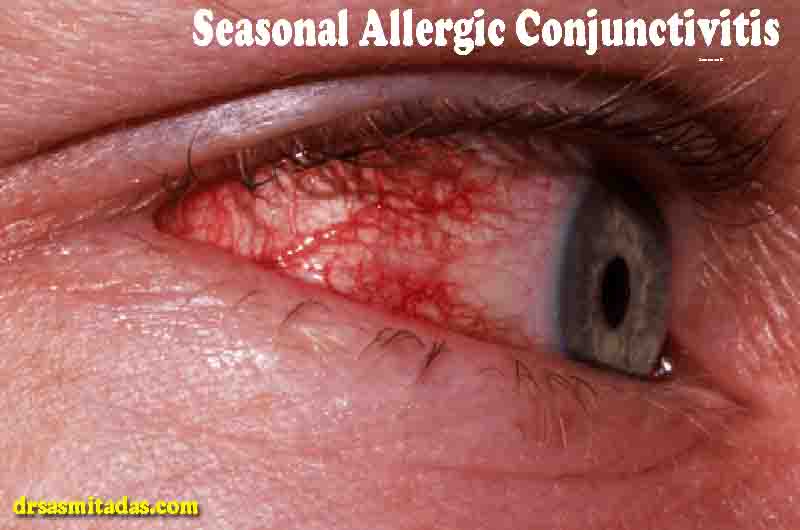
Seasonal allergic conjunctivitis is a common eye allergy caused by pollen, dust, or pollution. This patient education guide explains symptoms, triggers, home care, treatment options, and when to see an eye doctor.
Seasonal Allergic Conjunctivitis
(Eye Allergy) – Patient Education Handout
⸻
🌿 What Is It?
Seasonal allergic conjunctivitis is an eye allergy that happens when your eyes react to pollen, dust, or pollution.
It is not contagious and usually occurs during spring and summer.
⸻
🔎 Common Symptoms
✔ Intense itching (most common symptom)
✔ Redness
✔ Watering
✔ Burning sensation
✔ Mild eyelid swelling
✔ Stringy mucus discharge
✔ Light sensitivity (sometimes)
👉 Usually affects both eyes.
⸻
🌼 Common Triggers
• Pollen
• Dust
• Smoke
• Pollution
• Pet hair
• Mold
⸻
🏠 How to Take Care at Home
✅ DO:
- ✔ Use prescribed anti-allergic eye drops regularly
- ✔ Use artificial tears 3–4 times daily
- ✔ Apply cold compress for itching relief
- ✔ Wear sunglasses outdoors
- ✔ Wash face after coming home
- ✔ Keep hands clean
- ✔ Change pillow covers regularly
⸻
❌ DO NOT:
✖ Rub your eyes
✖ Use over-the-counter steroid drops without doctor advice
✖ Share towels or handkerchiefs
✖ Ignore worsening symptoms
⸻
💊 Treatment
Your doctor may prescribe:
• Anti-allergic eye drops
• Lubricating drops
• Short course of mild steroid (only if needed)
⚠ Always complete the course as advised.
⸻
🚨 When to See a Doctor Urgently
Seek medical help if you have:
• Severe eye pain
• Blurred vision
• Thick yellow/green discharge
• Symptoms lasting more than 1–2 weeks
• Frequent recurrence in children
⸻
👶 Special Advice for Children
• Keep nails trimmed
• Stop eye rubbing
• Use protective sunglasses outdoors
• Regular follow-up if recurrent
⸻
⏳ How Long Does It Last?
• Usually improves within a few days with treatment.
• May return during the same season next year.
0 Comments
No comments yet. Be the first to comment!