

glucoma surgery
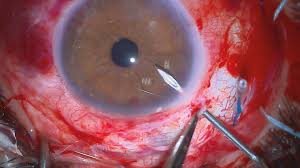
Glaucoma is often called the “silent thief of sight” because it causes gradual, painless damage to the optic nerve—leading to irreversible vision loss if untreated. Since early-stage glaucoma typically shows no symptoms, regular eye exams are essential for timely diagnosis. While most patients respond well to medications and lifestyle changes, some may require surgery to control intraocular pressure (IOP) effectively. In this article, we explore the success rates of glaucoma surgeries, available treatment options, and important factors that influence outcomes.
Surgery Options for Early-Stage Glaucoma
1. Trabeculectomy: Creating New Drainage Channels
Procedure Overview:
Trabeculectomy is a widely used surgery for open-angle glaucoma. It involves creating a small drainage channel in the eye to allow excess aqueous humor to escape, thereby lowering IOP.
Success Rates:
Clinical studies report a 70–90% success rate, depending on the severity of the disease and surgeon expertise.
Key Advantage:
Highly effective for significant pressure reduction.
Consideration:
More invasive than newer procedures, requiring careful post-operative monitoring.
2. Minimally Invasive Glaucoma Surgery (MIGS)
Procedure Overview:
MIGS includes modern procedures such as trabecular micro-bypass stents and other minimally invasive techniques that enhance natural fluid outflow.
Success Rates:
Generally lower than trabeculectomy but offer a safer, less invasive alternative.
Benefits:
- Quick recovery
- Minimal tissue disruption
- Lower complication rates
Best For:
Patients with mild to moderate glaucoma or those undergoing cataract surgery.
3. Laser Trabeculoplasty: Using Laser Energy to Improve Drainage
Procedure Overview:
Laser trabeculoplasty targets the drainage angle of the eye using gentle laser pulses, improving fluid flow.
Success Rates:
Effective IOP reduction in 60–80% of patients, depending on laser type and individual eye anatomy.
Considerations:
Often used when medications fail but before moving to invasive procedures.
4. Tube Shunt Surgery: An Alternative Drainage Pathway
Procedure Overview:
A tiny tube is implanted to channel fluid from the eye to an external reservoir, helping reduce pressure.
Success Rates:
High effectiveness, especially in patients who:
- Did not respond to trabeculectomy
- Have severe glaucoma
- Require long-term pressure control
Considerations:
Requires close follow-up to monitor tube positioning and corneal health.
Factors Influencing Surgical Success
1. Early Detection and Intervention
- Early-stage glaucoma responds better to treatment.
- Patients should be educated about routine eye exams and the importance of monitoring subtle vision changes.
2. Patient-Specific Health Factors
- Overall health, existing eye conditions, and medical history influence surgical choice.
- Compliance with medications, follow-ups, and post-op care is crucial for long-term success.
Challenges and Future Considerations
1. Understanding Potential Risks
Though modern techniques have greatly improved outcomes, risks may include:
- Infection
- Bleeding
- Temporary or permanent vision changes
Glaucoma remains a lifelong condition requiring continuous monitoring.
2. Innovation and Future Trends
Ongoing research in:
- Advanced surgical devices
- Gene therapy
- Neuroprotective agents
promises safer, more effective glaucoma treatments in the future.
Conclusion
Glaucoma surgery offers promising success—especially when combined with early detection and personalized care. Procedures such as trabeculectomy provide strong IOP control, while MIGS offers safer, less invasive alternatives. The ultimate goal of glaucoma surgery is to preserve vision and enhance quality of life. Consulting an experienced ophthalmologist is essential to determine the most suitable treatment option for each patient’s unique needs.
Jyotiprakash
November 24, 2025, 10:26 amVery good article.